
Specifying Safety Jackets for Holiday Installation Crews: A Practical Guide for Decorators and Facility Managers
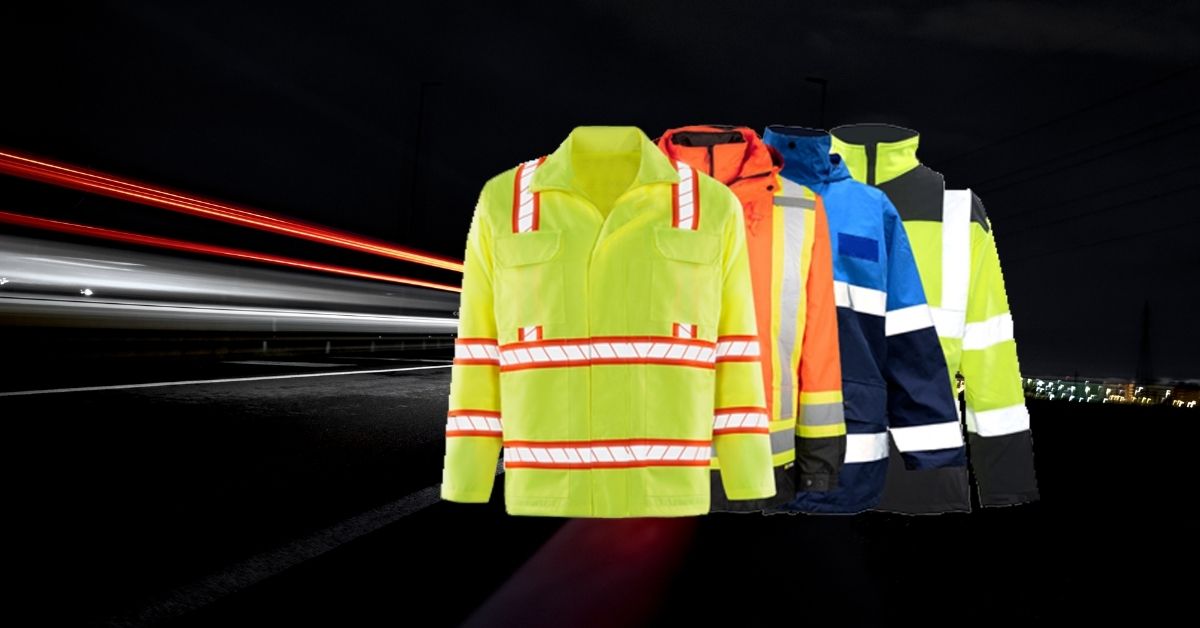
The commercial holiday installation season carries an operational risk profile that most decorators and facility managers think about late, if at all. Crews are working at height on rented lifts, around vehicles in parking lots, in early morning darkness, and through the kind of cold and wet weather that defines November and December in most of North America. Specifying the right safety jackets for these crews is not a checkbox compliance task. It is one of the few procurement decisions that meaningfully reduces injuries during the season’s most demanding weeks. This guide walks through the standards, the practical considerations, and the program logistics that separate a well equipped crew from a poorly protected one.
The Risk Profile of Commercial Holiday Installation
Holiday installation differs from year round outdoor work in several specific ways. Daylight hours are short, which means a significant portion of work happens at dawn, at dusk, or under floodlights. Site conditions include retail parking lots with active vehicle traffic, sidewalks with pedestrian flow, and rooftop or facade work requiring lift access. Crews are often temporary hires unfamiliar with site specific hazards. Weather is unpredictable and frequently cold and wet. Each of these factors raises the case for visibility, warmth, and protection that exceeds basic seasonal work apparel.
ANSI/ISEA 107: What the Labels Actually Mean
The American National Standards Institute, through ISEA 107, defines three performance classes for high visibility safety apparel. Understanding the difference is essential for specifying correctly.
Class 1 is intended for low risk environments well separated from traffic. It is rarely appropriate for commercial holiday work.
Class 2 suits workers exposed to traffic moving at speeds up to 25 miles per hour and is the appropriate minimum for most parking lot and retail site installations.
Class 3 is required for workers in higher speed traffic environments, in poor lighting, or where complex backgrounds make detection difficult. Many roadway adjacent installations, highway billboard work, and night shift crews fall into this category.
When specifying jackets, identify the actual traffic and lighting conditions at each site rather than defaulting to the lowest class that meets the basic legal requirement.
Cold Weather Construction: Insulation and Layering
A jacket for holiday installation work needs to keep the crew warm enough to maintain dexterity without becoming so bulky that lift baskets and harness systems no longer fit properly. The most useful designs are built around a layering system: a quilted or insulated liner for the coldest mornings, a softshell or windbreaker outer for milder days, and the ability to add a hooded inner layer underneath when needed.
Quilted polyfill insulation rated in the 150 to 200 gram range covers most commercial outdoor work in cold but not extreme climates. Crews working through Northern Plains or upper Midwest winters may need higher fill weights or dedicated cold weather designs.
Weatherproofing for the Northern Installation Season
Wet cold is harder on workers than dry cold. A jacket intended for late fall and winter installation should specify a waterproof or highly water resistant shell with sealed or taped seams. Look for hood compatibility with hard hats, which most lift operators are required to wear, and adjustable cuffs and hems that prevent wind and snow infiltration.
Breathability matters as well. Crews working physically demanding installs will perspire significantly under a fully waterproof shell. Membranes with documented moisture vapor transmission ratings move sweat outward while maintaining weather protection.
Visibility After Dark
Reflective striping is what makes a jacket Class 2 or Class 3 compliant after sundown. Verify that the striping is heat applied or stitched in place by the manufacturer, not field applied tape that will peel after one season. Reflective performance should meet the photometric standards specified in ISEA 107.
For crews working late afternoon and evening installations through the short days of December, consider supplemental personal lighting in addition to compliant garment striping.
Mobility for Lift and Ladder Work
Crews on articulating boom lifts and ladders need full range of arm motion without the garment riding up at the waist or binding at the shoulders. Action back panels, articulated sleeves, and longer cut back hems address the mobility requirements of overhead work without compromising visibility coverage.
Confirm that the design accommodates a fall arrest harness underneath where applicable, and that high visibility coverage remains compliant when the jacket is worn over the harness.
Stocking a Program for Seasonal Crews
For facility managers running their own seasonal teams and decorators managing temporary hires, a stocked program reduces the procurement friction that leads to crews working in inadequate gear. A practical approach holds two sizes per expected crew member in the most common configurations, with a clear return and laundering protocol at the end of the season.
Order ahead of the season. Inventory for high visibility insulated outerwear runs short in October and November every year.
Final Considerations
The crew that finishes the season healthy and on schedule is the crew that started it properly equipped. Treat outerwear as a fleet asset rather than a personal purchase, specify by class and construction rather than by price alone, and build the program around the actual conditions your crews work in.
For decorators, facility managers, and venue operators outfitting holiday installation teams, National Safety Gear offers a full range of ANSI compliant cold weather apparel with the inventory depth that seasonal hiring surges require. Build the program early, equip the crew properly, and let the work speak for itself once the lights come on.


